Energy, power quality & industrial technology.
Environmental Issues & Solutions in Industries
Since the Industrial Revolution, human activities have left a significant and growing mark on the natural world. Pollution, carbon emissions, and altered land use have degraded ecosystems, contaminated water supplies, and pushed global temperatures to record highs. These are not distant consequences. They affect the air people breathe, the food they eat, and the stability of the climate every community depends on. Understanding the environmental effects of industry is the first step toward meaningful change. When we grasp the full picture of how industrial practices damage the planet, we can make better decisions at every level, from individual choices to corporate policy to government regulation.
Piezometer
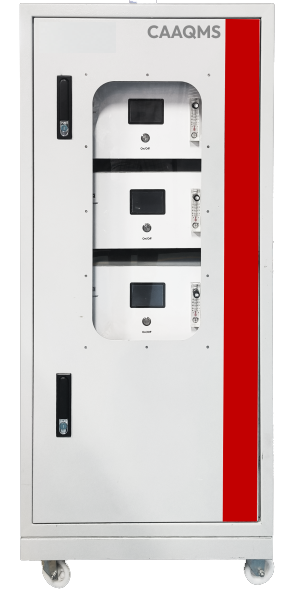
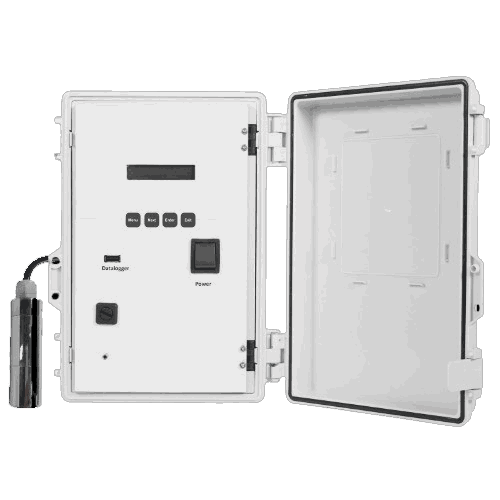
Continuous Ambient Air Quality Monitoring System( CAAQMS)
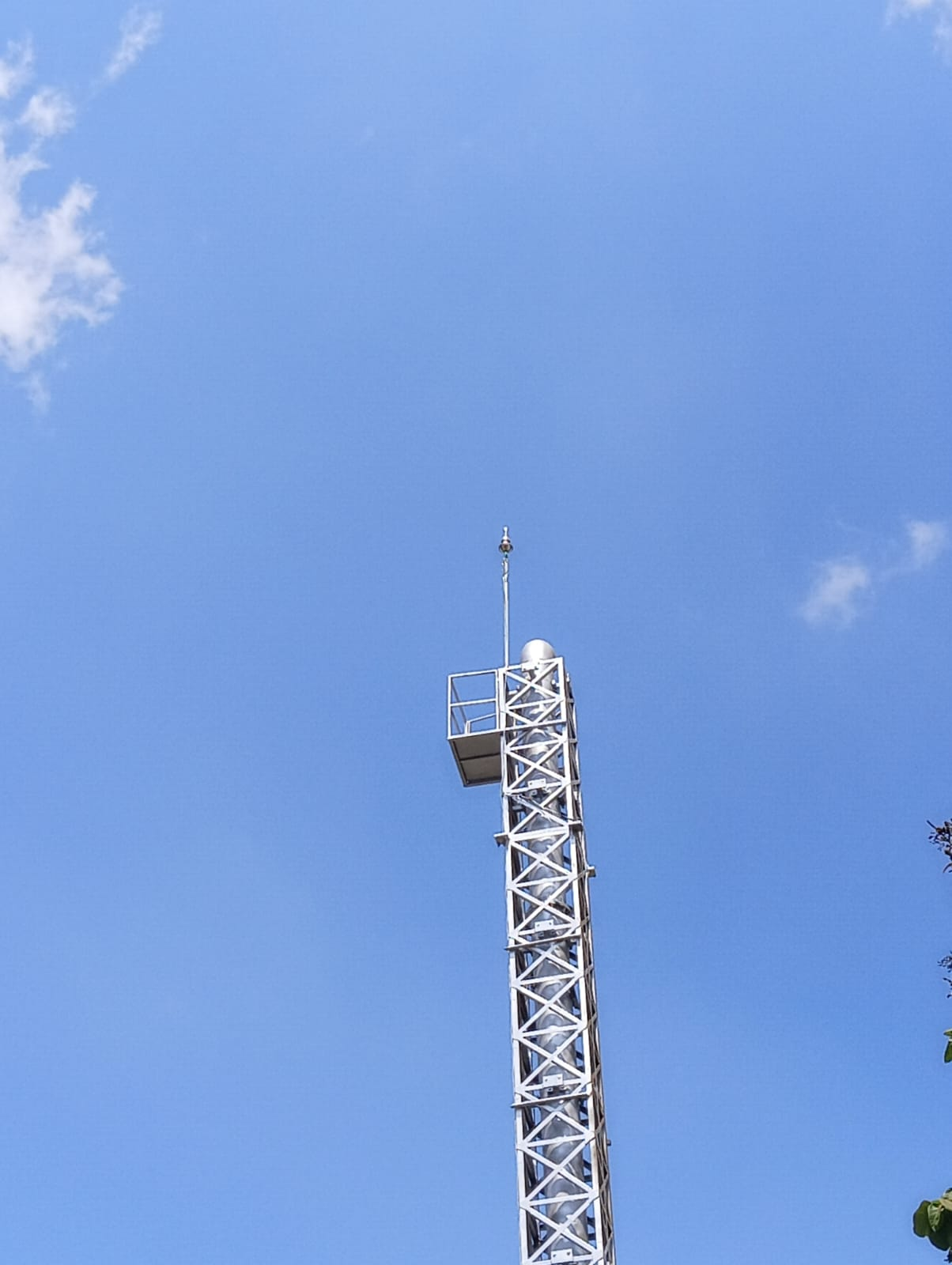
Lightning Protection & Earthing Systems
Lightning is the visible discharge of static electricity within a cloud, between clouds, or between the earth and a cloud. Thunderstorms occur when warm and cold air masses meet. Electrical charges build up within these air masses and periodically discharge as energy flows from one area to another.
Air moving upward within turbulent clouds causes the separation and movement of electrical charges. Positively charged particles generally accumulate near the top of clouds, while negative charges accumulate near the bottom. Lightning strokes may pass vertically or horizontally between clouds or between clouds and the ground, where electrical energy is dissipated.
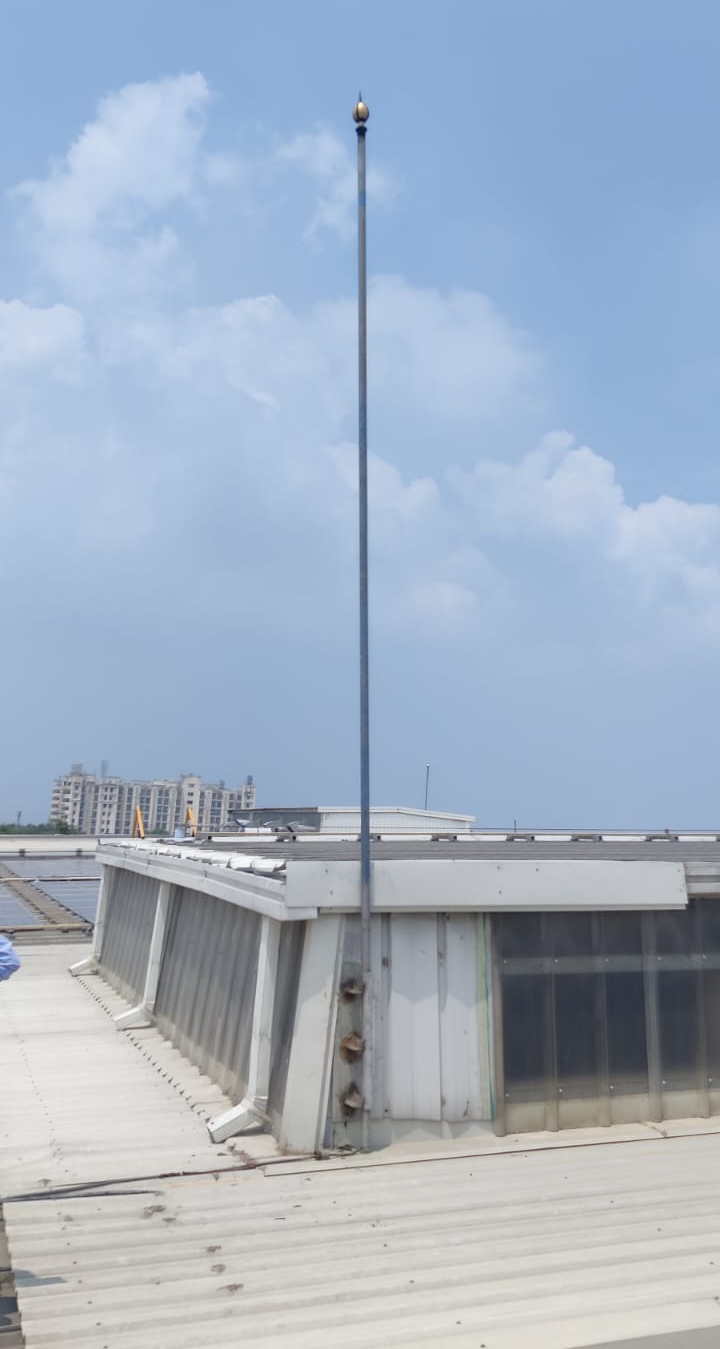
Concept of Lightning Arresters
A lightning arrester is a protective device used to protect electrical systems and equipment against transient overvoltages caused by lightning and switching surges. It provides a controlled path for surge current to flow toward the grounding system, thereby limiting the voltage appearing across protected equipment. Ground wires and suitable earthing arrangements can also help protect overhead power lines and electrical installations against lightning-related hazards.
Working Principle
When a voltage surge reaches an installed lightning arrester, the arrester becomes conductive under the surge conditions and diverts the surge current toward the grounding system. This action limits the overvoltage across the protected equipment. Once the transient subsides and the system voltage returns to its normal operating range, the arrester returns to its high-resistance state and stops conducting significant surge current.
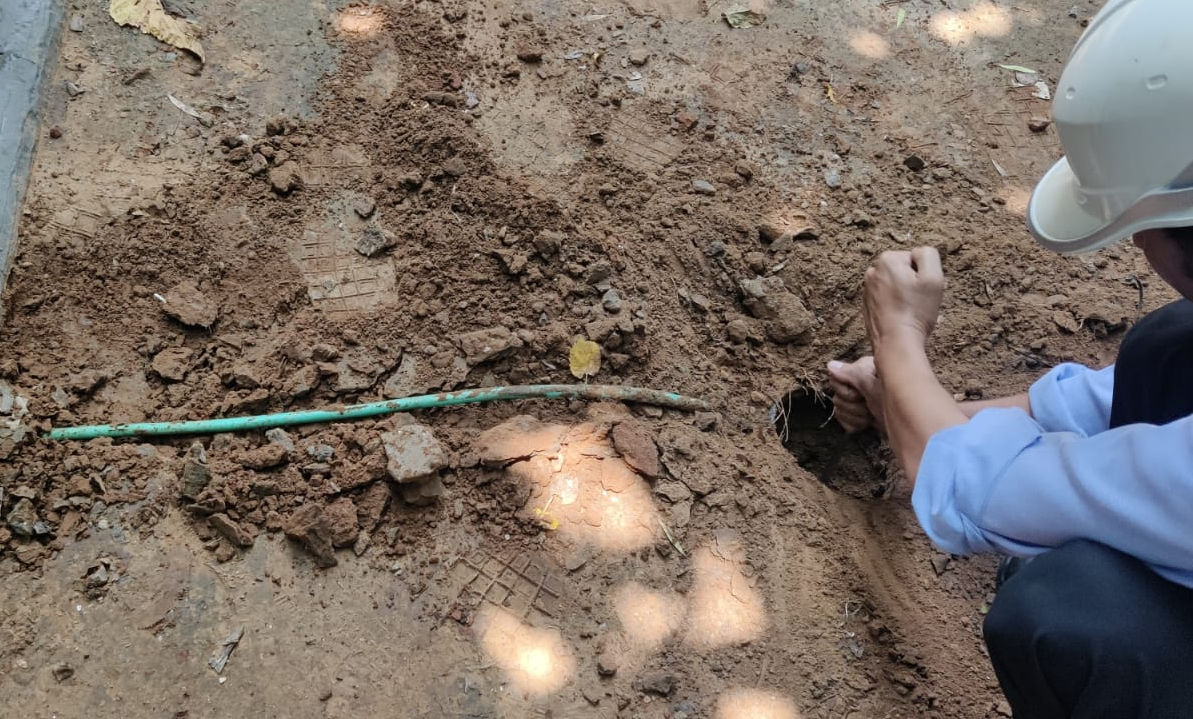
Earthing Concept in Lightning Arresters
Electrical earthing, grounding, and bonding are integral parts of a lightning protection system. An effective, low-impedance grounding system is essential for personal safety and reliable protection of electrical and electronic equipment. The primary objective of earthing is to provide a safe electrical reference and a controlled path for fault and lightning currents. Non-current-carrying conductive parts of electrical equipment are connected to the grounding system to help reduce dangerous touch voltages and protect personnel and the public. The earthing electrode establishes electrical contact with the surrounding soil. Properly designed and maintained earthing can help improve electrical safety, reduce equipment damage, and minimize service interruptions and costly downtime.